
Hop Aboard: Ferries, Buses, and Coastal Campsites in Easy Reach

Pack light, skip the car, and chase the shoreline by combining ferry and bus links to coastal campsites for quick escapes. This guide shows simple connections, last-mile tips, and smart packing so you can trade screen glow for lighthouse sunsets. Share your favorite routes, ask questions, and subscribe for fresh, weekend-friendly itineraries tested by fellow shore-bound campers.

Plan in Hours, Not Weeks

Turn a spare Friday into a sea-breezed sleepover by pairing punctual sailings with reliable bus transfers and short shoreline walks. Learn how to read connections confidently, build buffer time that still feels spontaneous, and choose camp spots that minimize trudging while maximizing sunrise views and late-evening firelight, all without touching your car keys or stressing about weekend gridlock.

Where the Shore Meets the Terminal

Not all coasts are equal for quick arrivals. Look for island chains served from city centers, peninsulas with quay-side bus hubs, and harbors whose late departures sync with office hours. Patterns matter: commuter sailings on Friday evenings, dawn returns on Sundays, and seasonal extras during festivals can multiply your options without extra planning complexity.

Island Hops Close to the City

Some waterfront terminals sit a few tram stops from downtown, turning a backpack into a passport for salt air within an hour. Short crossings reduce seasickness risk, buses meet arrivals on the pier, and campsites often overlook lighthouses, marinas, or dunes where night skies glow with stars instead of apartment windows.

Peninsulas with Reliable Transfers

Look for coastal corridors where a single bus route shadows the shoreline and stops at the ferry slip. Even if the distance seems small, that predictable service saves legs after sunset. It also rescues morning departures when headwinds slow the first boat and connections feel uncomfortably tight.

Harbors with Late Sailings

When Friday workloads swell, late departures make the difference between going and staying. Choose operators that publish after-work crossings and accept contactless payment at the gate. Arriving after dusk is fine when the path to camp is signed, flat, and safely away from tide-washed rocks or cliff edges.

Transit-Savvy Gear That Earns Its Keep

Traveling light speeds every transfer. Favor weatherproof fabrics, straps that don’t dangle on gangways, and gear that fits beneath seats. Know ferry rules for fuel canisters, charcoal, and knives; many allow sealed gas only. Prioritize warmth, dryness, and sleep; everything else can be borrowed, shared, or happily skipped for one night under stars.

Bags That Beat Rain, Spray, and Overhead Racks

A roll-top daypack with internal liners doubles protection when decks glisten with spray or bus roofs drip after storms. Add reflective tabs for night queues, tighten compression straps to avoid snagging rails, and keep a compact lock handy for ferry luggage racks when you explore the pier between crossings.

Sleep Systems for Breezy Nights

Sea air steals warmth. Choose a pad with decent R-value, a hooded bag rated a notch colder than forecast, and a wind-stable tent with short pole sections for tight packing. Earplugs tame gulls at dawn, while a buff doubles as eye mask under bright harbor lights.

Cooking Without Hassles at Security

Check operator policies before you shop. Many allow sealed gas canisters but restrict liquid fuel and open charcoal. Pack a tiny stove, no-spill containers, and cold-soak options if rules change. Snack-heavy dinners reduce cooking time, lighten trash, and let you savor the sound of waves instead of simmering pots.

Friday Dash Strategies

Leave a change of clothes at work, pack breakfast for the boat, and favor terminals with frequent evening departures. If meetings run long, catch the next sailing without anxiety. Text the campground about late arrival, and choose a pitch near landmarks to find it confidently by headlamp.

Shoulder-Season Sweet Spots

Early spring and late autumn often deliver calm seas, golden light, and cheaper cabins, while mosquitoes nap and families stay home. Pack an extra layer and warmer gloves, and you will earn empty trails, friendly deck crews, and unhurried photos of surf curling around sleeping piers.

Reading Notices and Weather Windows

Marine notices reveal service changes long before social feeds catch up. Bookmark operator alerts, follow local coastguard updates, and learn the wind thresholds that trigger cancellations. If the window narrows, pivot to a sheltered bay across the channel or shift to an earlier bus to keep momentum.

Tickets, Costs, and Clever Combinations

One Card, Many Legs

In many regions, contactless payment or a single transit card works on ferries and buses, simplifying gates and transfers. Top up before leaving, register for loss protection, and store the card in an RFID sleeve to breeze through validators without fumbling at crowded gangways or pier kiosks.

Off-Peak Magic and Early-Bird Deals

Evening sailings and midday buses often cost less while still getting you to the shore in time for stars. Watch for email-only promotions, bundle tickets during seasonal sales, and set alerts so you pounce when a flash fare cuts your Friday escape bill in half.

Group, Family, and Bike Add-Ons

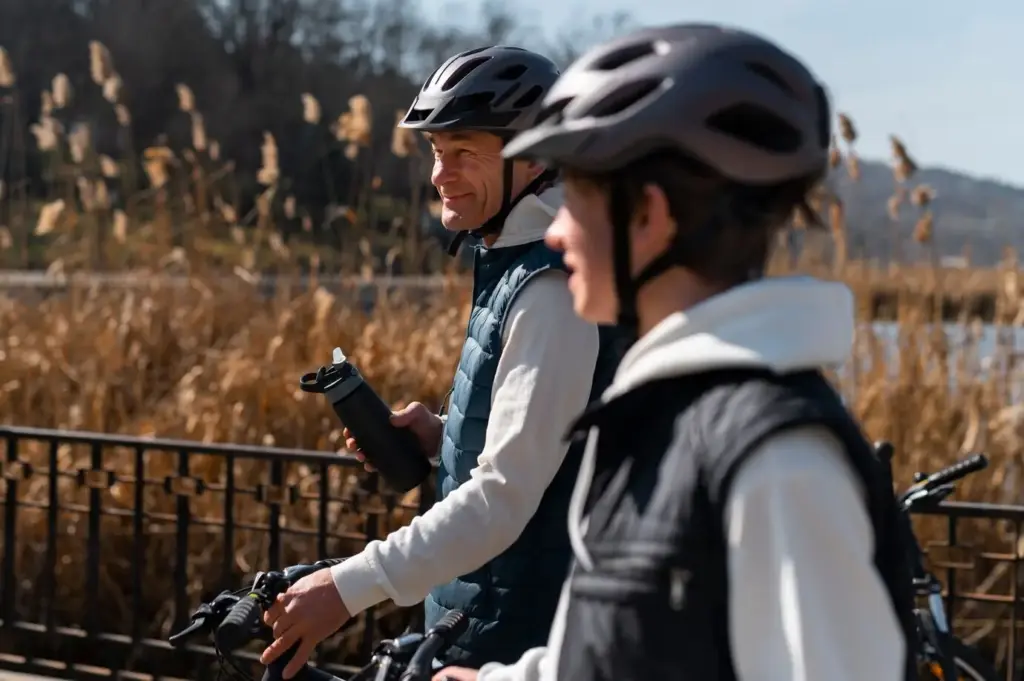
Travel with friends to unlock group discounts and shared campsite fees, but book bikes early since deck space sells out on sunny forecasts. If two wheels complicate transfers, rent at the harbor instead and keep your hands free for boarding checks and sunset snacks on deck.

On Board: Move Smoothly, Share Space

Keep bags off seats, slip straps from shoulders on stairs, and follow crew directions even when docks feel chaotic. If seas rise, stay seated, and secure loose items. A little courtesy keeps decks calm, schedules tight, and your neighbors cheerful enough to share sunrise coffee.

At Camp: Quiet Nights and Clean Shores
Pitch away from fragile dunes, store food against clever foxes, and dim lights so stars take center stage. Use established fire rings only, carry out ashes when rules require, and pack micro-trash. Your silence carries farther than you think across water and wind-etched headlands.

Respect the Tide, Wildlife, and Locals

Check tide tables before committing to beach routes that disappear by moonrise, and give seals, nesting birds, and anglers generous space. Shop locally, greet bus drivers by name, and lower voices at dawn. These small gestures safeguard access and invite warmer welcomes next time.
Fanaripuvekapaxi
Privacy Overview

This website uses cookies so that we can provide you with the best user experience possible. Cookie information is stored in your browser and performs functions such as recognising you when you return to our website and helping our team to understand which sections of the website you find most interesting and useful.