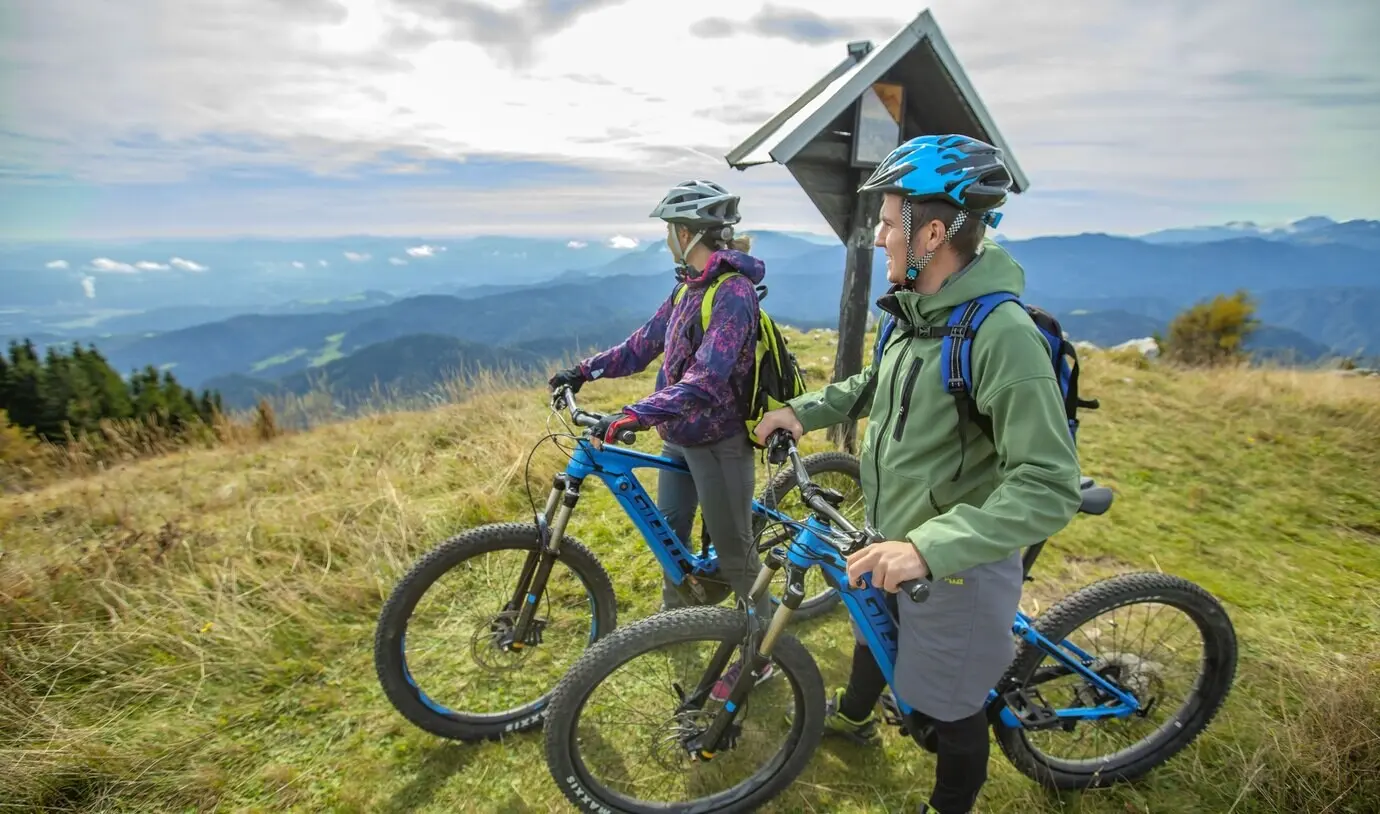
Rail-to-Trail Micro-Adventures
Many regional lines deposit you beside converted rail beds where gradients are kind, signage is clear, and scenery unspools effortlessly. Secure your bike reservation early, carry a compact lock, and plan snack stops in small towns. Even five gentle miles can feel thrilling when golden light spills across evening gravel.
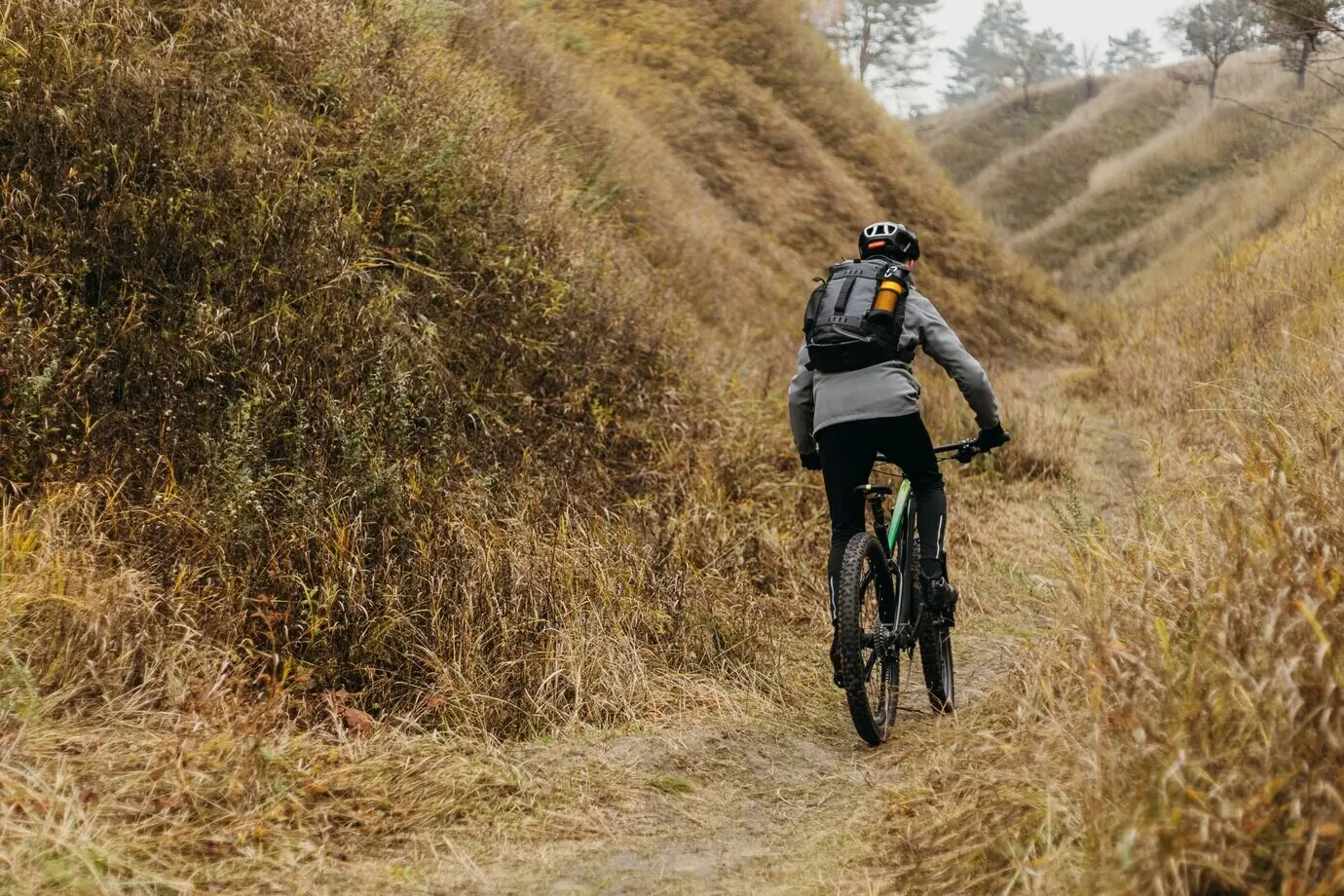
Bus-to-Backcountry Gateways
Intercity and rural buses often stop at ranger stations, visitor centers, or road junctions near trail networks. Confirm luggage allowances and stop locations, then step off ready to walk. Respect local communities, use crosswalks, and follow signage. The transition from engine noise to birdcall becomes a ritual worth savoring.

Ferries, Shuttles, and Friendly Connections
Coastal routes and lake districts may offer ferries, water taxis, or seasonal shuttles linking trailheads and camps. Study timetables carefully and avoid last sailings when possible. When services pause, choose loops. Shared rides within park programs are great; prioritize safety, consent, and local rules over speed or convenience.