
Pack Light, Ride Far: Transit-Friendly Wilderness Readiness
Welcome aboard an exploration of ultralight packing lists for transit-based camping, where every gram matters and every connection counts. We’ll show how to build compact, efficient kits that slip through turnstiles, stash above bus seats, and still keep you warm, safe, fed, and ready for spontaneous trailheads linked by trains, buses, and rideshares.
Why Every Ounce Matters When You’re Catching a Bus
Public transport introduces real-world constraints that punish bulky, heavy luggage: sprinting for platforms, navigating station stairs, squeezing past armrests, and respecting carry-on limits. Understanding weight, volume, and quick access transforms frustrating transfers into smooth, almost playful choreography between city bustle and quiet trailheads waiting a few stops away.
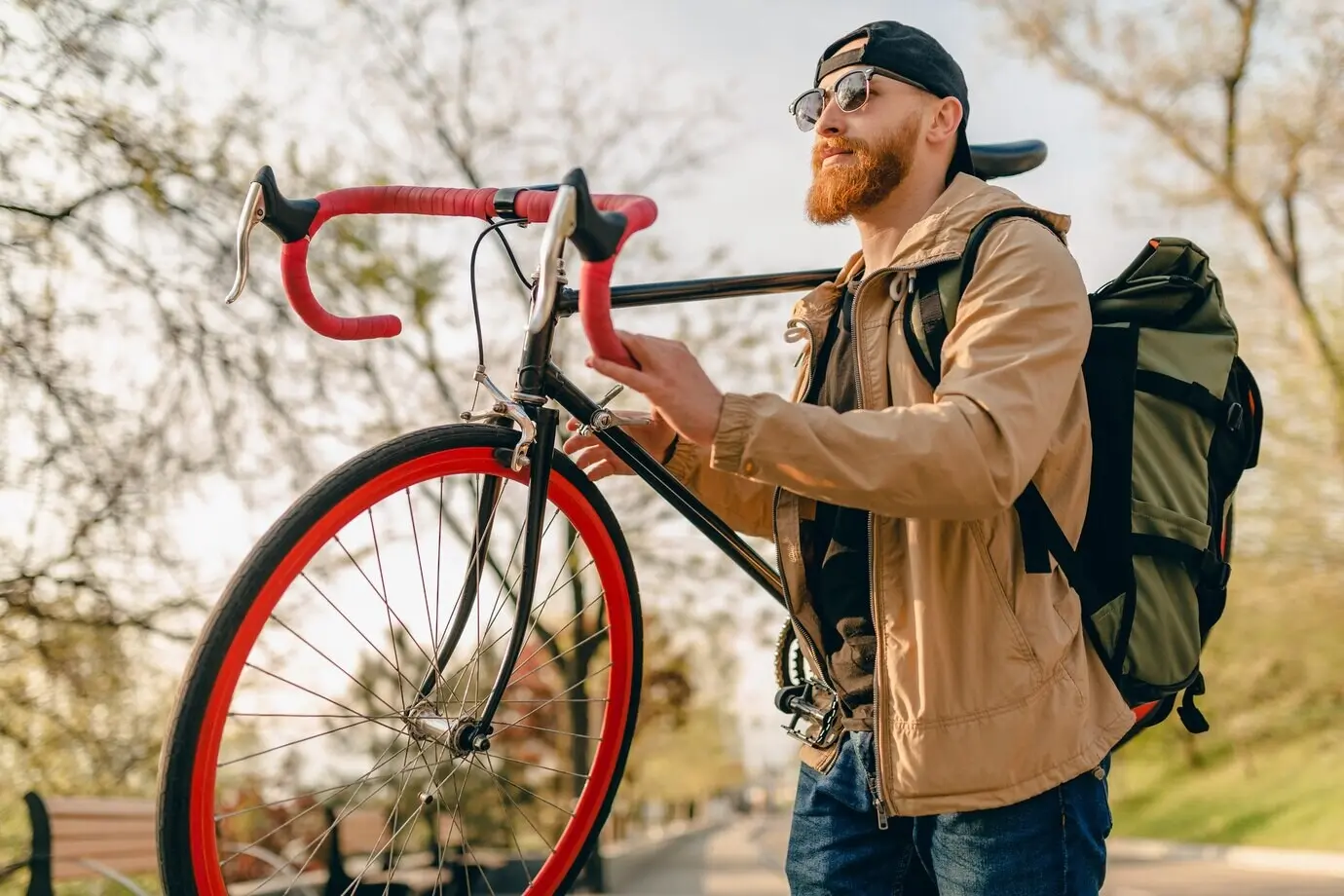
Shelter and Sleep Systems That Travel Beautifully
Choose a shelter and sleep setup that packs small, manages moisture on trains and trails, and sets up fast after late arrivals. Compact poles, minimalist stakes, and quilts that compress deeply make it easy to transition from bus stop to bivy without fumbling in wind, drizzle, or darkness.
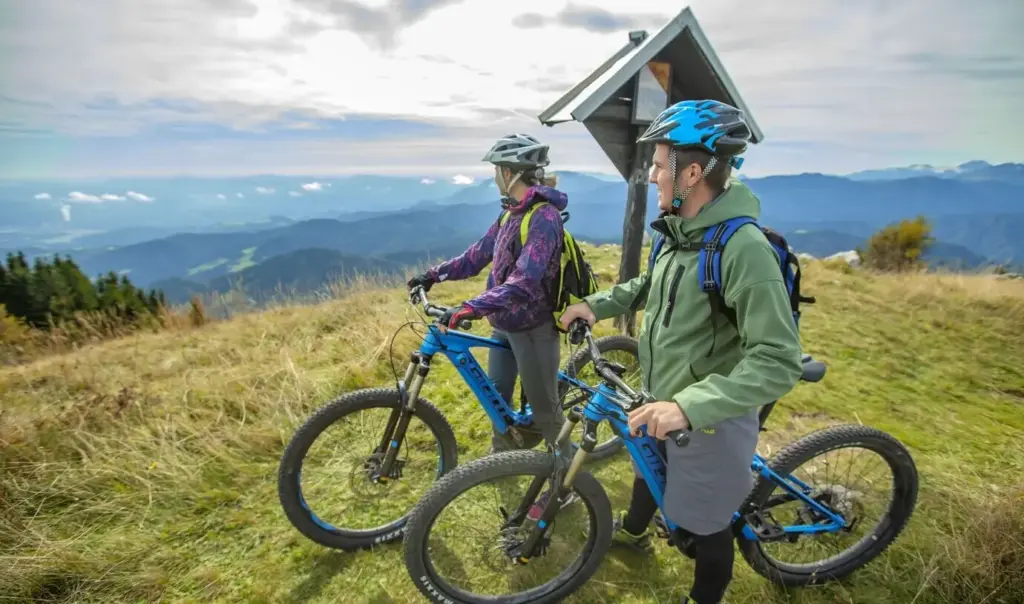
Clothing That Moves from Platform to Pine Needles
Clothing must thrive in crowded carriages and breezy ridge lines. Focus on versatile layers, fast-drying base fabrics, and compact insulation that softens hard seats. Keep a tidy, neutral outer layer to blend with commuters, and stash trail-forward colors deeper inside, surfacing only when the wilderness finally unfolds.
Two-Set Wardrobe That Dries by Dawn
Carry a hiking set and a dry camp-sleep set, both synthetics or merino blends with trustworthy drying times. Rotate and wash opportunistically in station restrooms, then roll-dry in a pack towel. This system protects sleep quality, controls odor on crowded rides, and maintains morale when schedules stretch unexpectedly overnight.
Footwear for Platforms, Trails, and Aisles
Trail runners with grippy outsoles handle wet platforms and dusty switchbacks while remaining nimble in tight rows. Pack ultralight camp shoes or foldable sandals for overnights and stations. Prioritize sock systems that prevent blisters during surprise sprints, and keep laces short enough to avoid snagging on bus steps or hooks.
Kitchen and Water Without Bulk or Hassle
Fuel Rules and Fire-Free Meals
Because fuel restrictions vary, plan methods that function even if you buy canisters near the trail or skip heat entirely. Cold-soak jars, calorie-dense wraps, and rehydration-friendly meals reduce risk. When stoves are allowed, use stable, ultralight options with wind protection, prioritizing quiet operation and reliable ignition under station overhangs.
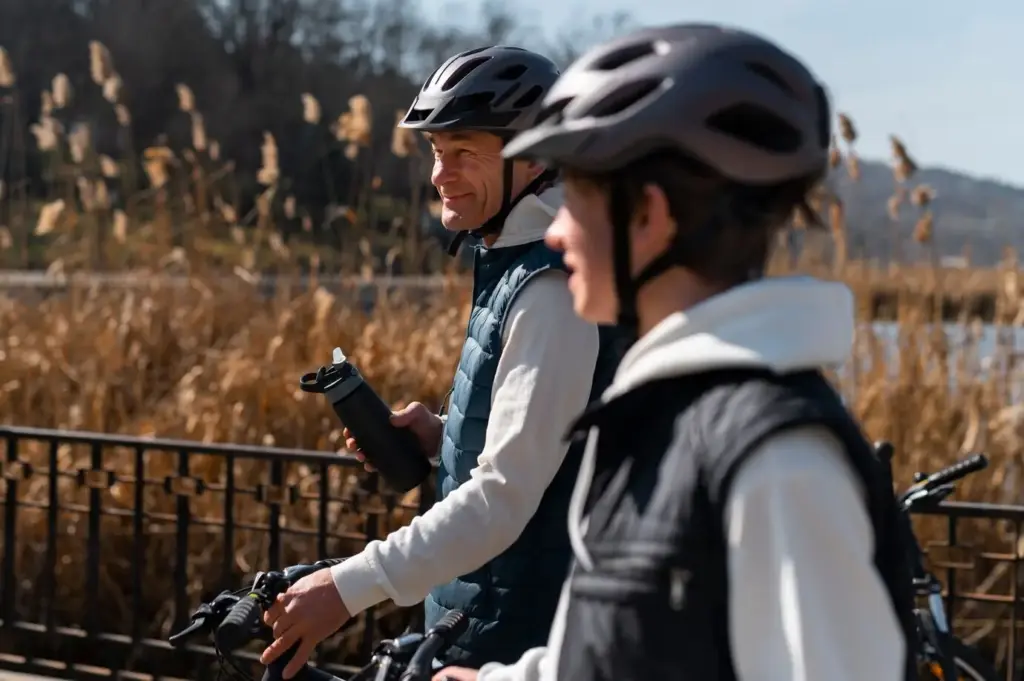
Smart Hydration Across Stations and Trails
Use two lightweight bottles or a soft flask system, filling at stations and trailheads marked on your offline maps. Always carry compact purification—chemical drops or a tiny filter—so you can safely drink from spigots and streams. Practice topping off during transfers to avoid exhausting, thirsty stretches between connections.
Mess Management and Quiet Cleanups
Noise and mess draw attention you do not want on buses or platforms. Favor nesting containers, a small sponge, and odor-resistant bags for trash. Keep a mini towel handy, wipe quietly, and store everything upright. After hiking, discreetly clean and repack before reentering crowded, sensitive public spaces without inconvenience.
Safety, Navigation, and Rules that Actually Matter
Transit-linked adventures interact with regulations, communities, and changing timetables. A little prep avoids fines, confiscations, or missed stops. Know what conductors allow, keep mapping tools offline-ready, and coordinate check-ins. When plans shift, your kit and mindset should flex, preserving safety while keeping the journey beautifully spontaneous and uplifting.
Packing Strategies: Bags, Modules, and Fast Access
Your pack must blend trail readiness with commuter agility. Think modular: a main bag that fits overhead, a personal item for essentials, and pouches that flow from station benches to switchback climbs. Everything should deploy intuitively, even when announcements garble and connections shrink unexpectedly between stops.
One Bag or Two: The Personal Item Advantage
A small sling or daypack protects documents, phone, snacks, and a compact layer. It stays with you if the main pack must stow. This division reduces stress, accelerates boarding, and creates redundancy if luggage shifts, doors close quickly, or coaches unexpectedly fill beyond comfortable capacity during busy urban peaks.
Cubes, Sacks, and the Art of Smooth Shapes
Packing cubes tame clothing and prevent snagging inside tight compartments, while ultralight sacks compress shelter and sleep kits. Aim for rounded exterior contours that slide past armrests. Color-code for speed: blue for water, red for first aid, bright for tickets—patterns your hands memorize under pressure without conscious thought.
Stories from the Line: Field-Tested Kits and Wins
Real trips refine lists faster than any spreadsheet. Learn from lively rides, damp trailheads, and surprising station kindness. See how small tweaks—lighter shells, better organization, more flexible food—transform stress into rhythm. Share your experiments in the comments and subscribe for evolving kit rundowns and reader-tested refinements worth adopting soon.
Weekend by Rail: Seven Kilograms, Big Smiles
A Friday night connection ran late, but a compact quilt and wind shirt kept chills away on the platform. The tent pitched in minutes under drizzle. Sunday’s trains were crowded, yet the pack slid overhead effortlessly. The lesson: comfort thrives when weight, volume, and access cooperate consistently across changing circumstances daily.
Bus Link, Storm Front, Dry Feet
A surprise downpour hit mid-transfer, but quick-dry socks and a breathable shell saved the day. Hot drinks waited in a friendly depot, fueled by a tiny stove permitted locally. Confidence returned instantly. The takeaway: weatherproof micro-choices matter more when schedules compress and sidewalks funnel water aggressively toward unprepared travelers constantly.
Three Iterations, Safer Ounces
The first kit felt light yet clumsy on stairs. After reorganizing into modules and trimming duplicates, boarding became smooth. The third revision replaced a heavy puffy with a warmer, packable alternative. Share your revisions below; we’ll feature clever solutions and publish updated lists with reader credits in future guides welcoming participation.